







Search Results for: new crop vs. old crop
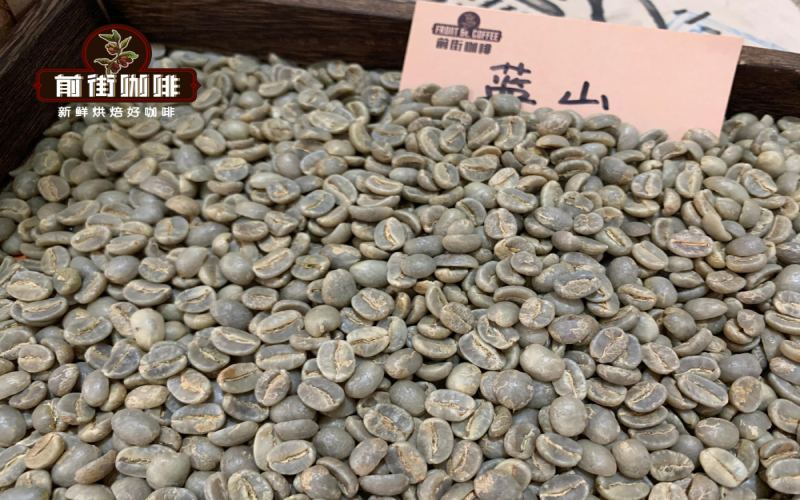
Comprehensive Guide to Green Coffee Beans: Quality Assessment, Crop Year Classification, Shipping Methods, and Storage Essentials
Green coffee beans are the starting point that determines the flavor of a cup of coffee. From color and luster to moisture content, every detail reveals the quality code of green beans; the terms "new crop," "current crop," "old crop," and "aged crop," named by harvest year, record how time shapes flavor. During transoceanic shipping, temperature and packaging methods also influence the fate of green beans—low-temperature containers, temperature-controlled storage, and vacuum aluminum foil bags are all effective means of extending good flavor. The ultimate preservation challenge points to a simple yet expensive answer: vacuum packaging followed by freezing. This article systematically organizes the complete knowledge of green beans from identification to storage, and includes practical advice from Front Street Coffee, taking you deeper into understanding this green seed. [more…]

2021 Crop Huakui 5.0 vs. Small-Bean Huakui Coffee Comprehensive Review: Green and Roasted Bean Identification, Cupping Flavors, and Pour-Over Performance Comparison
The 2021 new-crop Huakui 5.0 coffee beans have arrived at the port. Front Street Coffee immediately carried out roasting and cupping, and specifically conducted a comparison with its own beloved small-bean Huakui coffee beans. This article will guide you through the evolution of the Huakui series from the 2017 TOH champion beans to Huakui 5.0, and explain why small-bean Huakui stands independently outside the X.0 series. Then, through a visual comparison of green beans and roasted beans, differences in cupping flavors, and performance under a unified pour-over recipe, it will present in detail the characteristics of the two beans: small-bean Huakui is closer to the rich strawberry-cream profile of the classic 2017 Huakui, while Huakui 5.0 shows brighter berry acidity and floral notes. Whether you are a Huakui enthusiast or are currently selecting new-crop beans, this review can provide practical reference. [more…]

Comparative Analysis of Hambela 8.0 vs. 5.0: A Comprehensive Introduction to the New-Crop Hambela Coffee Beans from Ethiopia
Juice-like sweet and tart flavors have changed many people's perception of coffee, and the Huakui coffee from the Sidama region of Ethiopia is a prime example of this flavor profile. Front Street Coffee's Huakui series has now reached version 8.0—compared to 5.0, what changes does the new crop season bring in terms of flavor? This article will guide you through the origin background, naming history, and processing methods of Huakui coffee beans, as well as roasting and brewing recommendations for Front Street Huakui 8.0, offering a comprehensive analysis of this highly anticipated coffee. [more…]
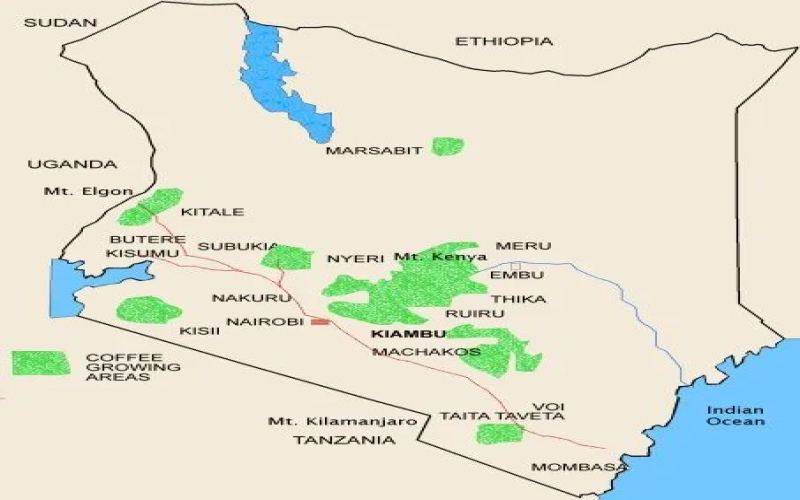
Kenyan Coffee Washed vs. Natural Processing Methods Compared: Flavor Differences, Regional Characteristics, and Brewing Key Points
Kenya, as a representative producing country of African specialty coffee, presents radically different flavor directions in its washed and natural processing methods. This article approaches the topic from the angles of producing region distribution, cultivated varieties, and processing techniques, systematically sorting out the regional characteristics of Kenyan coffee, focusing on comparing the influence of the K72 washed method and natural processing on flavor, and combining specific bean offerings recommended by Front Street Coffee—Hania Estate French Missionary Bourbon natural beans and Asali Honey Processing Station AA TOP washed beans—to present the flavor performance and brewing suggestions of the two beans, helping coffee lovers gain a more comprehensive understanding of the diversity of Kenyan coffee. [more…]
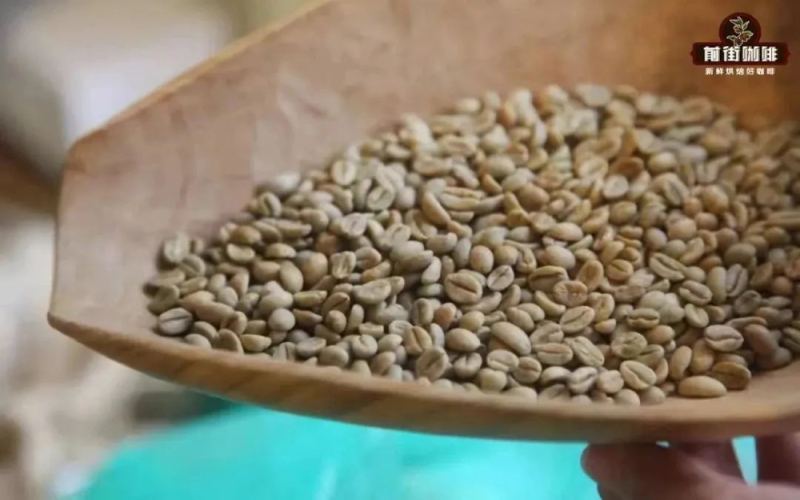
Green Coffee Bean Freshness Grading Guide: How Are New Crop, Past Crop, Old Crop, and Aged Beans Defined?
Green coffee beans are classified into several types based on their degree of freshness: new crop, past crop, old crop, and aged beans. The criteria for determining these categories are not as simple as just looking at the harvest year. Since most specialty coffee beans in China rely on imports, the process from harvesting and processing to transportation often takes several months, so the understanding of what constitutes a "new crop season" cannot be conflated with everyday timelines. Changes in moisture content are the key indicator for distinguishing these beans, and aged beans are a special product deliberately stored for an extended period, fundamentally different from ordinary old crop beans. In this article, Front Street Coffee will systematically sort out the definitions and differences of these types of green beans to help everyone clarify common misconceptions. [more…]
How Long is the Freshness Period of Green Coffee Beans? Distinguishing New Beans, Old Beans, Aged Beans, and Vintage Beans, and Key Storage Points
Many coffee enthusiasts know that roasted beans should be drunk fresh, but green beans also have their own levels of freshness. Beans harvested in the current year are called new crop, those from the previous year are old crop, and those stored for more than a year are aged beans. The moisture content of green beans directly affects roasting difficulty and flavor performance. Washed beans usually range between 11.5% and 12.5%, wet-hulled Mandheling can reach 13%, and sun-dried Mocha varies widely. Beyond the usual freshness changes, there are also deliberately extended aging processes and monsoon-aged weathered coffees. This article focuses on the freshness classification of green beans, differences in moisture content, methods for judging appearance and aroma, and the handling logic behind aged beans and monsoon beans, to help you make more accurate judgments when buying and storing. [more…]

Tanzanian Coffee Flavor Characteristics and Producing Region Analysis: Kilimanjaro vs. Southern Bean Comparison
Tanzanian coffee is known for its full body, mild acidity, and rich aroma, and has been praised by Europeans as the "gentleman of coffee," standing alongside Blue Mountain and Mocha as the "Three Musketeers of Coffee." Front Street Coffee guides you through Tanzanian coffee's varietal origins, the terroirs of its three major producing regions, its grading system, and its washed processing method, and compares the flavor differences between Kilimanjaro and southern coffee beans. The article also includes the roast profiles, cupping reports, and V60 brewing parameters for two Front Street Tanzanian beans, making it ideal reading for enthusiasts who want to gain a deeper understanding of East African specialty coffee. [more…]
Indonesia Mandheling vs. Jamaica Blue Mountain: A Comprehensive Analysis from Origin and Variety to Cupping Flavor
Indonesian Mandheling and Jamaican Blue Mountain both belong to the category of bitter coffees with chocolate and nutty notes, but their producing environments, variety choices, and processing methods are completely different, creating their own unique flavor expressions. From the perspective of Front Street Coffee, this article systematically sorts out the producing-area backgrounds, variety characteristics, grading standards, and processing methods of Blue Mountain No. 1 and Golden Mandheling, and combines cupping experience with brewing suggestions to help coffee lovers understand the core differences between these two specialty coffees and find the cup that suits them. [more…]
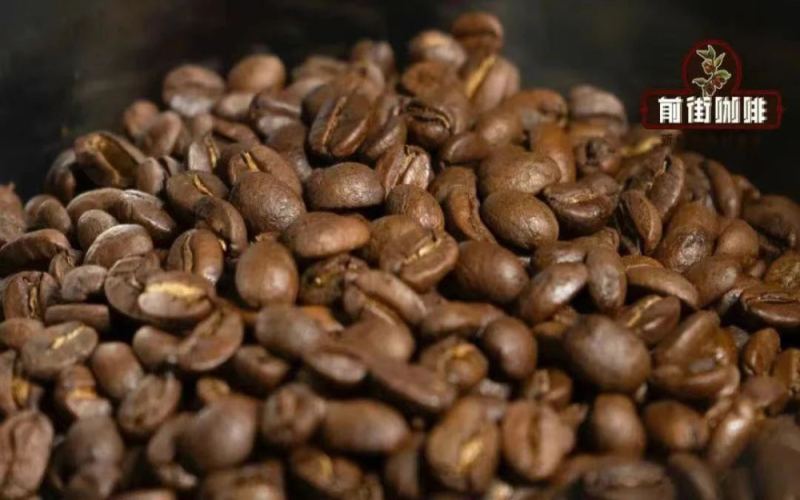
Does green coffee also value freshness? Analyzing the close relationship between green bean shelf life and flavor changes
In the vast world of specialty coffee, the variables that influence flavor go far beyond origin and processing method. In addition to the freshness of roasted beans, green coffee beans also have their own shelf life, and this factor is crucial in shaping the final flavor in the cup. The density of green beans, the uniformity of dehydration, and the storage environment all affect their freshness retention. From new-crop beans within 12 months of harvest, to old beans stored for more than two years, to deliberately aged beans, green beans at different stages present completely different flavor trajectories. Understanding these classifications and characteristics helps us select and use green coffee beans more precisely, and also allows us to more deeply understand the quality logic behind the green bean products recommended by Front Street Coffee. [more…]
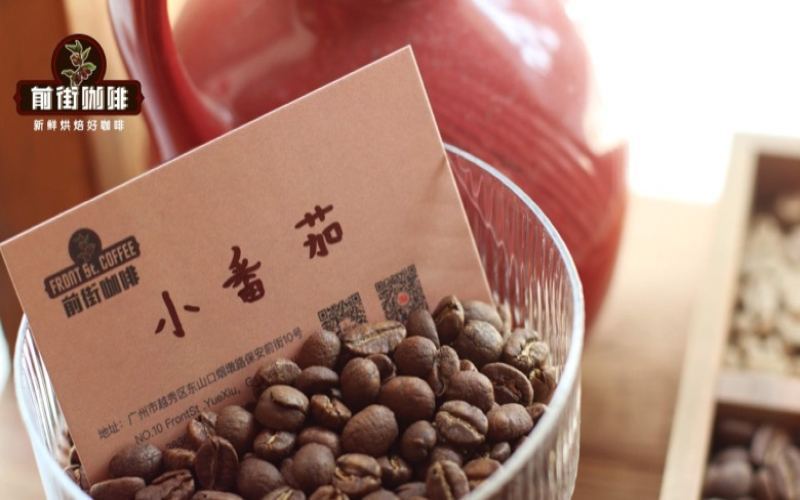
How much does harvest freshness vary? The difference in floral and fruity aromas is huge.
Coffee beans, like fruit, are seasonal. Beans from the same mountain—fresh new crop just after harvest versus old beans that have sat for most of a year—can differ by a noticeable margin in the intensity of their floral and fruity aromas. When buying beans in the floral-fruity direction, besides checking the roast date, harvest season information is equally worth noting. Floral-fruity notes are among the faster-fading types of flavor, and freshness plays a [more…]
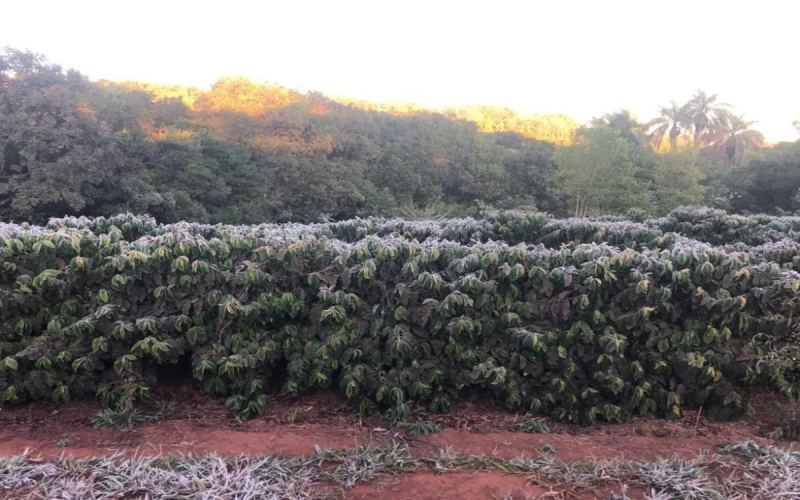
Coffee Stocks in Crisis: ICE Exchange Plans to Re-certify Two-Year-Old Brazilian Beans for Market Release
Brazil, the world's largest coffee producer, has suffered consecutive droughts and frosts, with its 2022/23 harvest falling far short of expectations. Certified coffee inventories on the ICE exchange have continued to decline, keeping coffee futures prices elevated. To ease the inventory crunch, ICE plans to re-grade and re-certify a batch of Brazilian Arabica old-crop beans that have been in storage for nearly two years and put them into trading. Although this move is not a violation of the rules, it has sparked concerns among traders about coffee quality and the mixing of old and new beans. This article will review the background of Brazil's reduced output, the logic behind futures price fluctuations, and the possible chain reactions that re-certifying old-crop beans may bring to the market. [more…]
Single-origin beans don't necessarily make good SOE: A side-by-side test of pour-over vs. espresso with Brazil Queen's Estate Yellow Bourbon
Does SOE (Single Origin Espresso) equal specialty coffee, and does it equal great taste? The answer is no. As a crop, coffee's flavor fluctuates year by year with the terroir and climate, and the choice of extraction method also brings noticeable differences. Front Street Coffee conducted a comparative experiment using Yellow Bourbon from Queen's Farm in Brazil's Mogiana region, grown at an altitude of 1,400 to 1,950 meters, comparing pour-over and espresso: the pour-over version showed the fresh sweetness of sugarcane juice, with notes of black tea and nutty chocolate, while the SOE version revealed astringency like peanut skin and a thin body. This shows that not all single-origin beans are suitable for espresso; and the nutty, caramel character of Brazilian beans is precisely the ideal base note for espresso blends. At the end of the article, an interpretation of the recipes for Front Street's three espresso blends is attached. [more…]
Ethiopian Yirgacheffe Washed vs. Natural Coffee: A Full Analysis of the Flavor and Mouthfeel of Two Processing Methods
Yirgacheffe is one of Ethiopia's most iconic specialty coffee regions, and the washed and natural processing methods give the beans strikingly different flavor profiles. This article systematically examines the terroir, processing techniques, and cupping notes of the washed Konga Cooperative and the natural Red Cherry Konga, and shares Front Street Coffee's pour-over parameters and brewing suggestions for Yirgacheffe, helping coffee lovers understand the difference between the bright, delicate character of washed coffees and the full, fermented character of natural ones, so they can find the cup that suits their taste. [more…]
Ethiopian Yirgacheffe Washed vs. Natural Coffee Bean Flavor Analysis and Brewing Guide
Ethiopia, as the birthplace of coffee, enjoys exceptional growing conditions and a rich diversity of processing methods. This article focuses on two representative coffee beans from the Front Street Yirgacheffe series—the washed Gedeb Cooperative and the natural Red Cherry Konga—systematically examining how washed and natural processing methods influence flavor. From the Gedeb Cooperative's independent journey, the introduction and refinement of washed techniques, to how natural processing amplifies tropical fruit notes, and then to specific pour-over extraction parameters and flavor descriptions, the article balances origin background, processing details, and tasting practice, providing coffee enthusiasts with a complete Yirgacheffe flavor guide. [more…]
A Comprehensive Analysis of the Basis for Coffee Bean Specification and Grade Classification: Industry Standards from Washing Methods to Altitude Quality
The world of coffee beans is far more complex than that smudge of amber in your cup. From the small white jasmine-like flowers on the branch to the green raw beans in the processing plant, every coffee bean has undergone layer upon layer of selection by climate, altitude, variety, and processing method. There are about sixty coffee-producing countries worldwide, each grading coffee according to whether it is washed, whether the bean shape is flat or round, bean size, cultivation altitude, defect rate, and even taste tests. The two major varieties, Arabica and Robusta, each hold their own in terms of yield and flavor, while new crop, one-year-old, and multi-year-old beans each have their own character. Understanding these specifications and grading standards not only helps enthusiasts decipher the terminology on packaging, but also understand why beans from the same origin can present such a kaleidoscope of flavors. This article will start from basic common knowledge and systematically sort out the grading logic and refining process of coffee beans. [more…]
A Complete Guide to Yunnan Coffee Varieties and Flavors: The Arabica Black Coffee Sweet-vs-Bitter Debate and Front Street's Origin Practices
Yunnan coffee has become a hot topic in the recent wave of guochao (national trend) beverages, and many people walk into cafés and ask whether they have good-tasting Yunnan beans. This article systematically sorts through the growing conditions, historical origins, and three waves of development of Yunnan coffee, explains in detail the origins, flavor characteristics, and acidity-bitterness performance of the two major varieties, Typica and Catimor, and introduces Front Street Coffee's practice of growing sun-dried Typica on its own estate in Lincang, along with brewing parameters and flavor descriptions, to help coffee lovers gain a comprehensive understanding of the varietal quality and flavor direction of Yunnan small-bean coffee. [more…]
Yirgacheffe Washed vs. Natural Processing: Flavor Differences, Representative Beans, and Pour-Over Parameters Explained
Yirgacheffe, as Ethiopia's most representative specialty coffee region, offers dramatically different flavors from its washed and natural processing methods. Washed Yirgacheffe is known for its bright, elevated citrus acidity and elegant white floral notes, while the natural process presents a full, rounded tropical fruit sweetness and fermented depth. Starting from Front Street Coffee's bean lineup, this article provides an in-depth analysis of the procedural differences and flavor characteristics of the two processing methods, and shares the flavor descriptions and pour-over extraction parameters of representative beans such as Front Street's washed Gedingding Cooperative and natural Red Cherry, helping coffee enthusiasts make choices based on their personal taste preferences. [more…]
ICE Arabica certified stocks fall to a 24-year low, with nearly 30% of green beans stored for over a year becoming aged beans
Intercontinental Exchange's certified arabica green coffee inventory has plummeted to a 24-year low, totaling just 368,000 bags. More alarmingly, nearly one-third of these beans have been sitting in delivery warehouses for over a year, becoming stale coffee. This situation stems from spot prices exceeding futures prices, prompting roasters to buy directly from exchange stocks, while congestion at Brazilian ports makes replenishment with new beans a distant prospect. The combination of low inventory and the stale bean problem, compounded by global economic and financial uncertainty, has led the market to widely expect green coffee prices to remain highly volatile in the medium term. [more…]
A Complete Guide to Yemeni Mocha Coffee Regions: From Traditional Sun-Drying to Brewing Flavors, Introducing the Most Original Mocha
Yemen is a name impossible to bypass in coffee history—it has been growing coffee in the most primitive way since the sixth century and remains the only fully sun-dried producing country in the world today. The mocha coffee produced here once captivated seventeenth-century Europeans and became the original meaning of the word "mocha." This article takes you into Yemen's coffee world: from the rise and fall of the port of Mocha, to the flavor differences among classic producing regions such as Mattari, Sanani, and Ismaili; from the agricultural predicament under the double assault of khat and drought, to farmers turning berries on the rooftops of stone houses in the ancient sun-drying method. We will also share Front Street Coffee's roasting curve and brewing parameters for the V60, cake cup, and KALITA three-hole dripper to help you fully understand this complex and wild coffee. [more…]
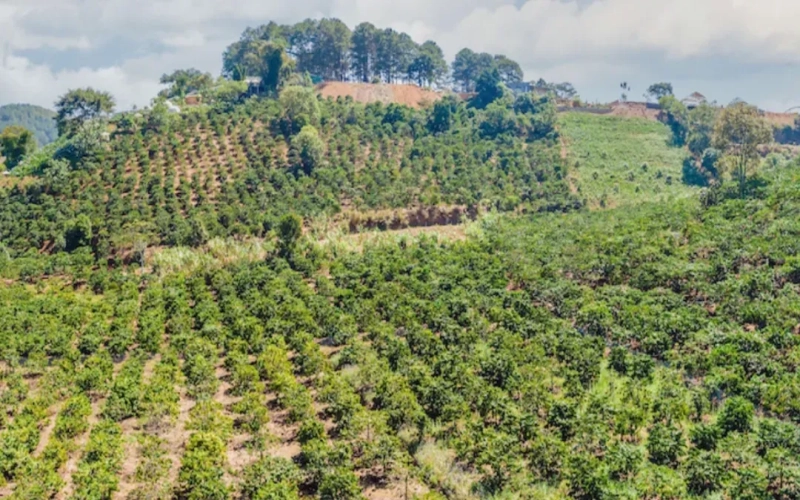
Vietnam's New Crop Coffee Production May Reach 29 Million Bags, Export and Climate Variables Draw Attention
The latest report from the United States Department of Agriculture shows that Vietnam's coffee production for the 2024/25 season is expected to reach 29 million bags, a slight adjustment from earlier forecasts, but rising coffee prices are encouraging farmers to invest more. Although drought and high temperatures have hit production, measures such as irrigation and intercropping have somewhat eased the pressure of reduced output. At the same time, the planting structure in the Central Highlands is quietly changing, with high-return crops such as durian and passion fruit diverting some coffee acreage. On the export front, Vietnam's coffee exports in the first half of the 2023/24 fiscal year fell 7% year on year, while domestic purchase prices remain persistently high, making traders cautious about signing contracts. The market is skeptical of official production data, and La Niña may become the biggest variable going forward; the new season's harvest will not be known until October. [more…]